QuickBooks-Error-6073

Getting QuickBooks Error 6073 when trying to open your company File? This error usually appears when QuickBooks is unable to access the company file or detects an issue with the way the File is being accessed.

The error also come when the company file is saved on a network and someone tries to open it from another computer. It may be because another user already has the file open in Single-User Mode, the shared folder doesn’t have the right permissions, or a remote access session is still running.
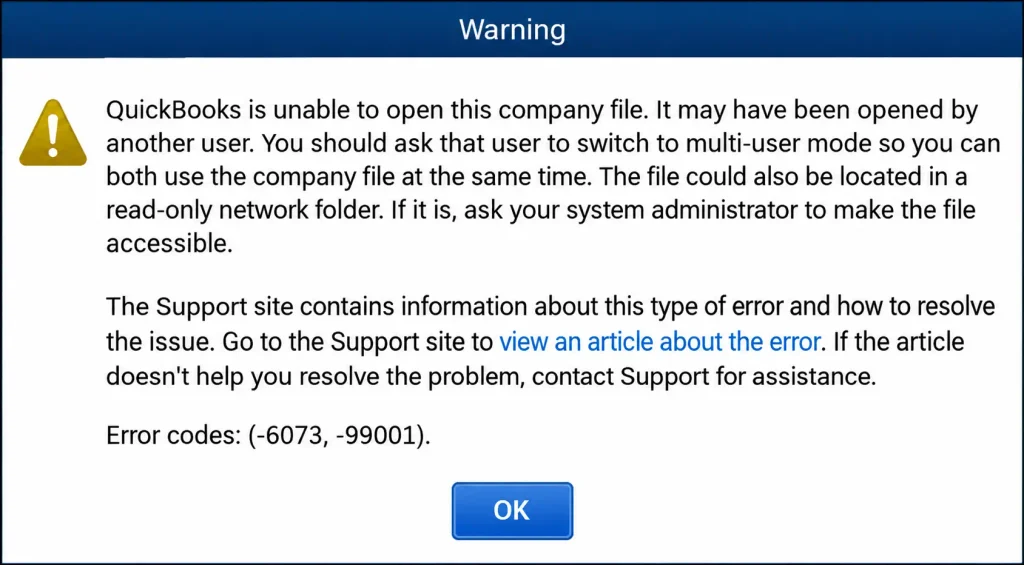
quickbooks-error-6073

Before you start changing settings, first check how the company file is being accessed. This complete blog explain the common reasons for QuickBooks Error 6073 and what you can try to fix it.

Reasons Behind the QuickBooks Error 6073

QuickBooks Error 6073, 99001 usually occurs when QuickBooks cannot access the company file correctly. The problem is more common when the company file is stored on a network and accessed from multiple computers. Here are some common reasons behind this error:

  • Company file is open in single user mode: Another user may already be accessing the company file from a different computer.
  • Folder permissions are restricted: The user may not have the required permission to access or modify the folder containing the company file.
  • Incorrect hosting settings: QuickBooks may not be set up correctly for multi-user access on the server or workstation.
  • Remote access is active: A remote access program may leave the user session active, making QuickBooks think the File is still being used.
  • Network connection problems: A weak or interrupted connection between the workstation and server can prevent QuickBooks from accessing the File.
  • QuickBooks program issues: A temporary problem with QuickBooks or its related processes can also interfere with company-file access.

What can trigger the QuickBooks Error 6073, 99001?

There are several situations that can stop QuickBooks from opening a company file and lead to QuickBooks error 6073. The problem can also be related to the way the File is shared, the computer trying to access it, or the connection between the server and workstation. Here are some of the common triggers include:

  • The company file is already open in Single-User Mode on another computer.
  • The folder containing the company file has restricted or read-only permissions.
  • QuickBooks is having trouble communicating with the server or network. If you are also experiencing QuickBooks Not Connecting to Server issues, check your network and server configuration.
  • Incorrect hosting settings are preventing users from accessing the File.
  • A remote access session is still connected to the computer hosting the company file.
  • QuickBooks Database Server Manager is not working properly.
  • Damaged or outdated network configuration files are interfering with company File access.
  • Firewall or security software may be blocking QuickBooks from connecting to the network. If this is the case, see our guide on Windows Firewall is Blocking QuickBooks for additional troubleshooting steps.

How to Fix QuickBooks Error 6073, 99001?

Once you have identified the possible causes, you can start troubleshooting the error. It’s best to begin with the simpler checks and then move to the network and company file settings if the problem continues. Try the following solutions one at a time and check QuickBooks after each step.

Method 1 – Run QuickBooks File Doctor

If QuickBooks is having trouble accessing the company file or connecting to the network, start by checking the File with QuickBooks File Doctor. Before running the tool, close QuickBooks on the computers connected to the company file.
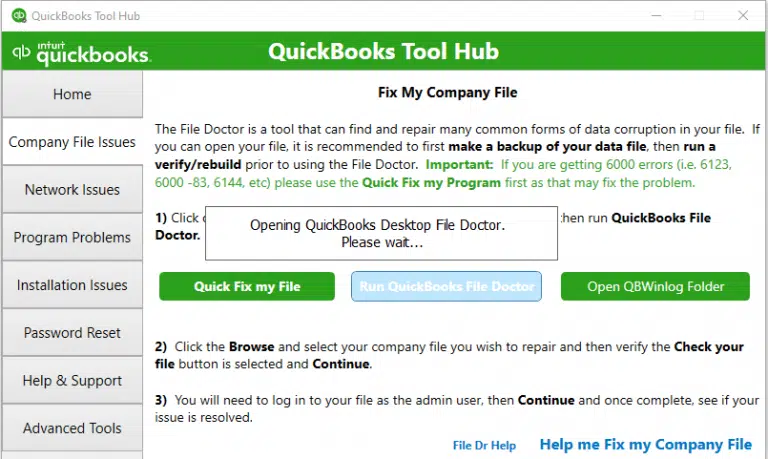
  • Open QuickBooks Tool Hub on the computer where you want to troubleshoot the issue.
  • Select Company File Issues from the left menu.
  • Click Run QuickBooks File Doctor.
Run-QuickBooks-File-Doctor
  • Select the affected company file from the list. If you don’t see it, click Browse and Search to locate the File manually.
  • Choose Check your File and network and click Continue.
  • Click Next and allow File Doctor to complete the scan.
  • Once the process finishes, open QuickBooks Desktop again.
  • Try opening the company file and check whether QuickBooks Error 6073, 99001 is resolved.

Method 2 – Check if the Company File Is Open on Another Computer

QuickBooks error code 6078 can appear when the company file is already open on another computer in single-user mode. If you’re experiencing broader QuickBooks Multi-User Mode Not Working issues, Make sure the File is closed on other workstations before trying to access it again.

Similar multi-user and network connection problems can also cause QuickBooks Error H202, especially when QuickBooks cannot communicate properly with the server.

  • Close QuickBooks Desktop on all connected workstations.
  • Go to the computer that hosts the company file.
  • Open QuickBooks Desktop and sign in to the company file.
  • Select File from the top menu.
  • Check whether Switch to Multi-User Mode is available.
  • If the option appears, select Switch to Multi-User Mode.
  • Reopen QuickBooks on the other workstations.
  • Try opening the company file again.

If the error still appears, restart the server and workstations before moving to the next solution.

Method 3 – Check QuickBooks Hosting Settings

Incorrect hosting settings can prevent the QuickBooks program from opening the company file in a multi-user environment. If QuickBooks Hosting Mode is Off, check the hosting settings before continuing with the troubleshooting steps.
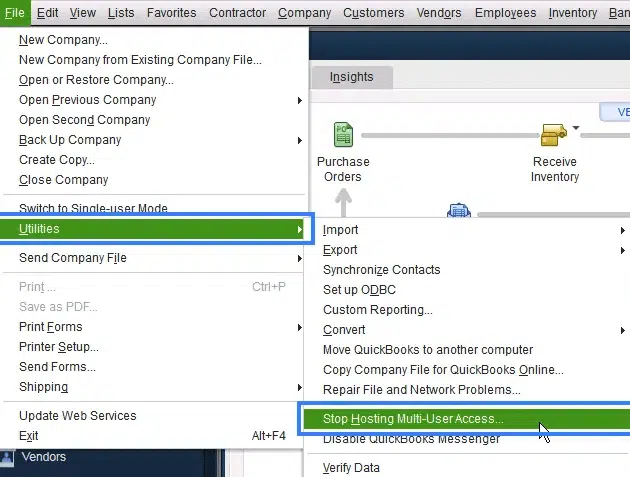
  • Open QuickBooks Desktop on the computer where the company file is stored.
  • Go to File and select Utilities.
  • Check the Host Multi-User Access option.
  • If you see Stop Hosting Multi-User Access, hosting is already enabled on that computer. Do not select it.
Stop-Hosting-Multi-User-Access.png
  • If you see Host Multi-User Access, select it to enable hosting.
  • On each workstation, open QuickBooks Desktop and go to File> Utilities.
  • If Host Multi-User Access appears, do not enable it on the workstation. Instead, select Stop Hosting Multi-User Access if that option is available.
  • Close and reopen QuickBooks Desktop on the affected computers.
  • Try opening the company file again.

Method 4 – Check the QuickBooks Database Server Manager

If the company file folder has not been properly scanned or the Database Server Manager is not functioning correctly, QuickBooks may have difficulty accessing the File. Follow these steps:
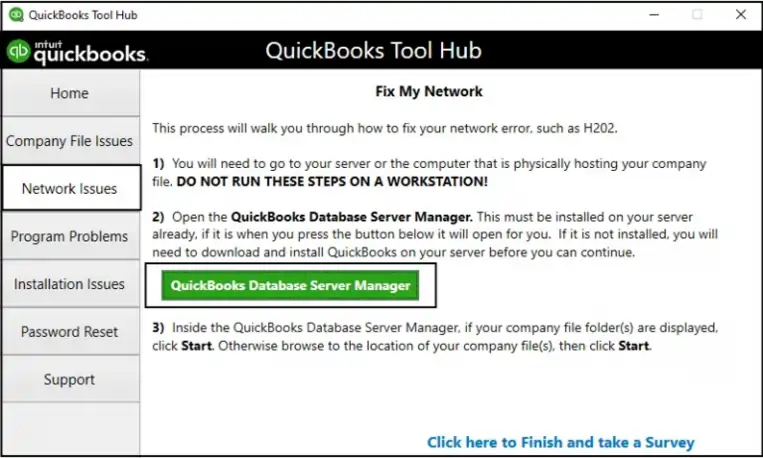
  • Close QuickBooks Desktop on the affected workstation.
  • On the server computer, open QuickBooks Tool Hub.
  • Select Network Issues.
  • Open QuickBooks Database Server Manager.
Database Server Manager
  • If the company file folder is not listed, click on Browse and find the folder containing the company file.
  • Select Start Scan and allow the scan to finish.
  • Open QuickBooks Desktop on the workstation.
  • Sign in to the company file using Multi-User Mode.
  • Check whether QuickBooks Error 6073 still appears.

If the error continues, verify that the company file is stored in a shared folder that the affected users can access.

Method 5 – Fix QuickBooks Issues Caused by Remote Access

If the computer hosting the company file is being accessed through remote software such as LogMeIn or GoToMyPC, QuickBooks may still detect the remote user as logged in. This can trigger the Error -6073, -99001. To resolve the issue, run Quick Fix my Program from QuickBooks Tool Hub:
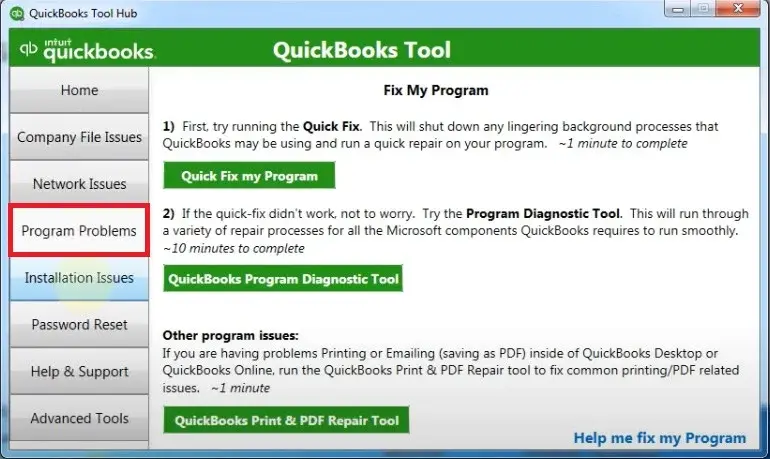
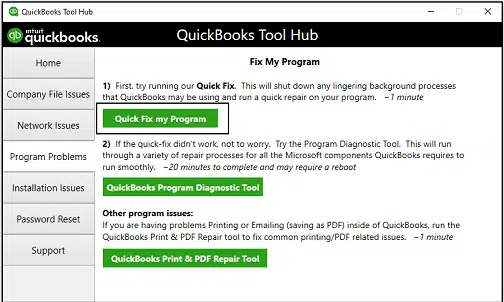
  • First, close your QuickBooks Desktop.
  • Open QuickBooks Tool Hub and select Program Problems.
quickbooks-program-problems
  • Then, select Quick Fix my Program.
Quick-Fix-My-Program
  • Wait for the tool to complete the process.
  • Open QuickBooks Desktop again.
  • Open your company file and check whether the error is resolved.

Method 6 – Check the Network Folder Permissions

If your company file is stored in a read-only network folder, QuickBooks may not be able to access the File correctly. If QuickBooks cannot locate the company file in the expected folder, you can also check our guide on QuickBooks Company File Not Found for additional troubleshooting steps. Follow these steps on the computer hosting the company file:

  • Open the folder where your QuickBooks company file is saved.
  • Right-click the folder and select Properties.
  • Then, choose the Security tab.
  • Select the user who is having trouble accessing the company file.
  • Select Edit.
  • Under Allow, select Full Control.
  • Select Apply, then OK.
  • Open QuickBooks Desktop again.
  • Try opening the company file.

Method 7 – Check Login Credentials on a Linux Server

If your QuickBooks company file is hosted on a Linux Server, QuickBooks error 6073 and 99001 can occur when more than one set of login credentials is being used to access the shared folder.

Check the credentials being used to sign in to the shared folder and make sure the same shared location is not being accessed with conflicting credentials.

If you are not responsible for managing the Linux server, ask your network or server administrator to check the shared-folder authentication settings.

Still Seeing QuickBooks Error -6073, -99001? What to Check Next

If QuickBooks still displays error -6073, -99001 after completing the troubleshooting steps above, go back through the setup and identify which situation applies to your company file.

  • Check the access mode: Make sure the company file is not open in Single-User Mode on another workstation or the host computer.
  • Check the network folder: Confirm that the user experiencing the error has the required access to the folder where the company file is stored.
  • Check remote access: If you’re using software such as LogMeIn or GoToMyPC, make sure the previous remote session isn’t still active.
  • Check Linux server credentials: If the company file is hosted on a Linux server, verify that the shared folder isn’t being accessed with multiple sets of login credentials.
  • Run the recommended QuickBooks tools: If the issue continues, use QuickBooks File Doctor or Quick Fix my Program as applicable to the situation.

Identifying the specific access problem is more useful than repeatedly changing QuickBooks settings. Once the underlying access or hosting issue is corrected, try opening the company file again.

QuickBooks Error -6073, -99001: What You Need to Know

QuickBooks Error 6073 is generally related to how the company file is being accessed. Before making major changes to your QuickBooks installation or company file, identify the access issue first.

  • Check whether the company file is already open in Single-User Mode.
  • Make sure the network folder allows the affected user to access the company file.
  • Check whether a remote-access session is still active.
  • If the File is hosted on a Linux server, verify that shared-folder credentials are configured correctly.
  • Use QuickBooks Tool Hub utilities when the issue involves the company file or QuickBooks program.

Once the underlying access issue is corrected, reopen the company file and confirm that QuickBooks can access it normally.

Conclusion!

The QuickBooks error 6073 can stop you from opening the company file, especially when you are working with a shared or network setup. In most cases, checking how the file is being accessed, the network folder permissions, or any active remote session can help you find the problem.

To troubleshoot this error, you can start by running the File Doctor, checking the specific access condition affecting your setup. Once the company file is no longer being accessed incorrectly and the required permissions are in place, try opening it again in QuickBooks Desktop.

If you are still getting the same error after applying the troubleshooting methods, you can reach out the Data Service Team live person at +1(888)-718-7888.

Frequently Asked Questions (FAQ’s)

QuickBooks Error 6073 occurs when QuickBooks can not properly access a company file. It can happen if the File is open in Single-User Mode on another computer, stored in a read-only network folder, accessed remotely, or hosted on a Linux server with multiple login credentials.

The error can occur when another computer has the company file open in Single-User Mode or when the shared folder has restricted permissions. Remote-access sessions and conflicting credentials on a Linux server can also cause the issue.

Close QuickBooks Desktop on all computers. Open the company file on the host computer, go to File, and select Switch to Multi-user mode. Then try opening the company file again from the other workstations.

Go to the computer hosting the company file and check the folder permissions. Open Properties, click Security, select the affected user, choose Edit, and allow Full Control. Apply the changes and try opening the company file again.

Yes. Incorrect hosting settings can interfere with multi-user access to the company file. Check that the host computer is configured correctly and that workstations are not unnecessarily hosting multi-user access.

Firewall or security software may interfere with QuickBooks network communication. However, the Intuit guidance for this specific error focuses mainly on Single-User Mode, network-folder permissions, remote access, and Linux server credentials.

Use Multi-User Mode when multiple users need access, maintain appropriate folder permissions, properly close remote-access sessions, and avoid conflicting credentials when accessing a shared folder on a Linux server.

The Intuit guidance does not identify Error 6073 as being specific to a particular QuickBooks Desktop version. The documented causes are mainly related to company file access and network configuration.


About The Author

Steven Moody

Steven Moody is a bookkeeping and payroll specialist dedicated to helping businesses maintain accurate financial records and efficient payroll operations. His expertise includes payroll management, tax compliance, bookkeeping solutions, and financial reporting. Steven regularly shares insights on accounting best practices and business finance strategies. Outside of work, he enjoys traveling, exploring new places, and keeping up with the latest developments in business technology.

Steven Moody

QuickBooks Error

QuickBooks Error PS060: Why It Happens and How to Fix It

Read More
QuickBooks Error

Fix QuickBooks Error 6190, 816 When Opening a Company File

Read More
QuickBooks Error

QuickBooks Error 15203: How to Fix Digital Signature Issues

Read More
QuickBooks Error

QuickBooks Error 6130: How to Fix Company File Issues

Read More
QuickBooks

QuickBooks Enterprise: Features, Benefits, Versions, and Who Should Use It?

Read More