You are about to send an urgent invoice or run an important financial report, and your QuickBooks screen freezes, QuickBooks Running Slow or QuickBooks Has Stopped Working. A task that used to take thirty seconds stretches into ten unbearable minutes. When QuickBooks Running Slow, your entire business workflow grinds to a halt. Whether you are running QuickBooks Desktop (QBDT) or QuickBooks Online (QBO), performance lags cost you time and money. Take a look at why QuickBooks running slow and go through the various methods to get your software operating at a smooth speed again.
Before we start making any settings, it is important to know why it is actually happening. QuickBooks is not just a simple application; it is a complex database management system. If you are experiencing unexpected QuickBooks Running Slow (performance issues), you are likely wondering, why is my QuickBooks desktop running so slow?
Its slowing down could be due to your local computer hardware choking on data, a bloated file structure or network congestion. By isolating whether the issue is rooted in your local setup, your company file size or your internet connectivity, you can fix the lag without wasting time on the wrong solutions. The most common causes behind a slow QuickBooks performance include:
QuickBooks Running slow because of the hardware’s inability to cope with the needs of software upgrades. Intuit regularly updates its database structure. Consider these specifications for optimal performance:
| Hardware Component | Minimum Requirement | Recommended Specification (For Optimal Speed) |
| Processor (CPU) | 2.4 GHz minimum | 3.0 GHz or higher (Intel Core i5, i7, or Xeon) |
| RAM (Memory) | 8 GB RAM | 16 GB to 32 GB RAM (Crucial for large files) |
| Storage Type | Standard HDD | Solid State Drive (SSD) NVMe preferred |
| Internet Speed | 20 Mbps | 100+ Mbps (Essential for payroll and QBO) |
| Operating System | Windows 10 | Windows 11 (64-bit natively supported) |
To completely resolve QuickBooks Running Slow issue, implement this technical list of every possible method for troubleshooting slow running software setups. If you have been struggling with a sluggish database or find your local QuickBooks running slow, these steps are arranged from quick software settings to advanced database optimization techniques.
This scans your .qbw company database file for structural errors, repairs minor file corruption and re-indexes your data tables for faster search queries.
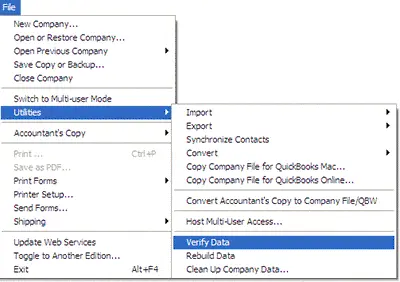
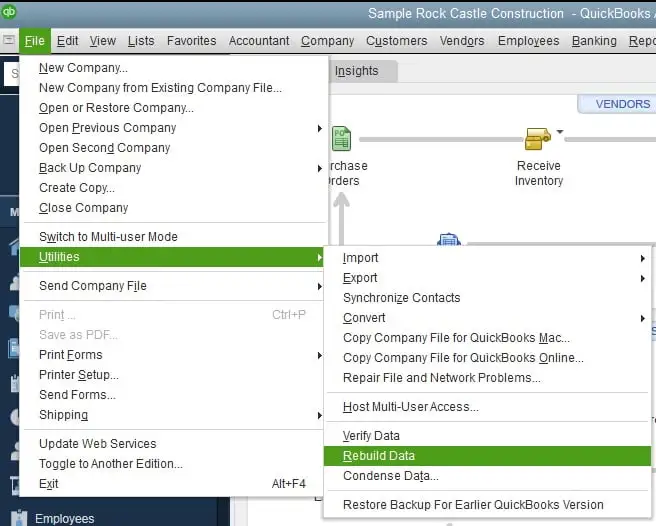
The .tlg file acts as a notepad tracking your entries before writing them permanently to the database. Over years of operation, this file can grow larger than your actual company file.
QuickBooks keeps track of all the edits made by a user, which eventually increases data size. You can turn off unneeded GUI flourishes to free up system RAM.
QuickBooks Desktop uses a database framework. Micro-drops in a Wi-Fi signal cause database packet drops, which can freeze your workspace.
If the network mapping configuration gets corrupted, user workstations will take a highly inefficient route to find the host database file.
Antivirus scans can block or delay background QuickBooks execution files (QBDBMgrN.exe, QBW32.exe), so do not forget to practice these steps:
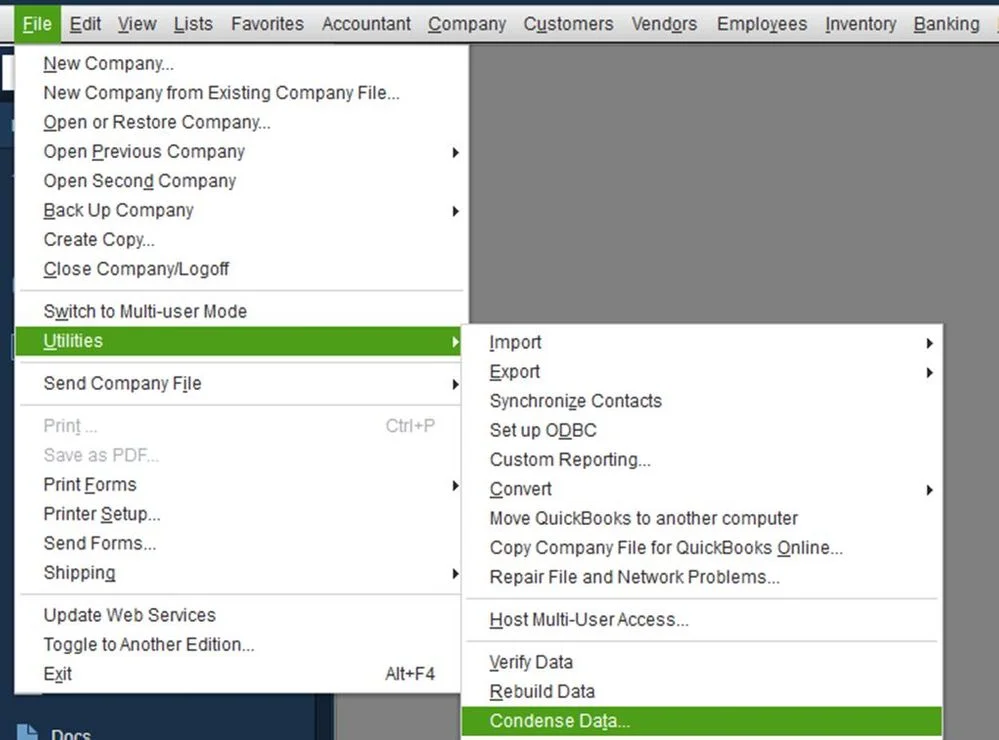
For files that are more than 250 MB, performance will automatically be reduced. The condense data function compresses the transaction history to summary entries.
Note: This step is completely permanent. Ensure you complete a dual backup onto an external drive or cloud file storage before continuing.
Local user profile registry corruption can degrade performance, so make sure you apply the steps below:
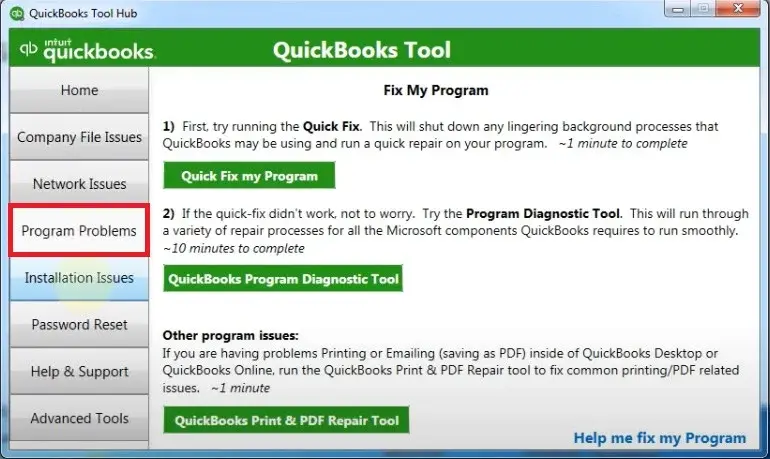
Note: If QuickBooks continues running slowly after using Quick Fix My Program, try the QuickBooks Refresher Tool to close background QuickBooks processes and refresh the application.
If your host computer or server is still reading data off an old mechanical spinning Hard Disk Drive (HDD), QuickBooks will crawl during large reporting queries.
Multi-user slowdowns are almost always caused by network infrastructure bugs. If your company file is hosted on a server or a designated Host PC, every action a user takes must travel across your office network. If your network switches are outdated or if someone is accessing the database over a weak Wi-Fi connection rather than an Ethernet cable, data collisions occur, delaying responses for everyone on the team.
To resolve network lags and get your team working in sync, apply these fixes:
Never run QuickBooks Desktop multi-user mode over standard office Wi-Fi. A single split-second drop in wireless connectivity will drop database packets, causing massive lag or file corruption. Ensure all users and the host server are connected via Cat6 Gigabit Ethernet cables.
Only the server should have hosting turned on. If a regular workstation has it on, it causes data conflicts.
When you find QuickBooks running slow, it is connected to three things:
Follow these steps to resolve QBO performance bottlenecks:
Open an Incognito/Private Window in your browser and access QuickBooks Online. If you notice improved speed, then the problem could be due to browser caching or an add-on. You will have to clear the browser history and cookies to correct the issue.
Mark both Cookies and other site data and Cached images and files. Next, click the Clear data button and then relaunch the browser after logging back into QBO.
If you don’t experience problems connecting to the internet on any other websites but QuickBooks Running Slow, change your DNS server to Google’s Public DNS for faster data transfer. First, launch Windows Settings -> Network and Internet -> WiFi / Ethernet. Next, click on the settings of your network, select the DNS server assignment and switch from automatic to manual. Set the Primary DNS to 8.8.8.8 and Secondary DNS to 8.8.4.4.
If your QuickBooks Desktop file is over 250 MB, or if you run into larger structures like QuickBooks Enterprise running very slow at 1.5 GB, it is time to condense data. The Condense Data Utility removes transaction history and replaces it with summary journal entries.
Note: Condensing data is an irreversible process. Always ensure you have a verified backup copy stored in a safe place before proceeding.
Unlike Desktop, QuickBooks Online does not have a Condense button. Things are moving quickly by decluttering the account structure:
To ensure you don’t have to deal with a sluggish QuickBooks file again down the road, adopt these regular maintenance habits:
Now that you have all the solutions about QuickBooks running slow, you are all set. Do not let the above-mentioned causes ruin your day and slow down your business growth. Take a few minutes to clean up the data file and ensure the network is wired correctly. Also, maintain a clean browser environment to restore your software to peak performance. Keep your data lean, your hardware up to date, and say goodbye to the waiting game!
Need expert help getting your QuickBooks back up to speed? Reach out to the Data Service Team and speak to our QuickBooks live agents at +1(888)-718-7888.
A sudden slowdown is triggered by a massive increase in background file size, such as a bloated Transaction Log (.TLG) file, or structural data corruption that occurred during a recent crash or unexpected shutdown. It can also happen right after a Windows update if your security settings or third-party antivirus software begin aggressively scanning QuickBooks data packets in real-time.
QuickBooks Online depends on the execution of script packages. In case of slow functioning, your browser’s history, cache, or tracking cookies may have too much information stored, or there may be a conflict between your browser extension and the website. A poor Wi-Fi connection and the inefficient DNS server from your internet provider may cause significant loading delays.
The easiest way to test this is by opening a standard sample company file instead of your own. If the sample file opens quickly and runs smoothly, your primary company file is the main issue because of excessive file size, an accumulated audit trail or internal database corruption.
QuickBooks freezes upon launch because it is attempting to reload all the heavy reports, windows and transaction forms that were left open when the software was last closed. It can also freeze if the user preference cache is corrupted or if it loses its connection to the network host or mapped drive while trying to establish a secure database session.
It repairs broken database connections, fixes fragmented data and cleans up structural errors. Ensure you run a Verify Data scan first to diagnose the errors and always create a secure backup copy before initiating the rebuild.
Make sure all workstations and the host server are connected via hardwired Cat6 Ethernet cables rather than unstable office Wi-Fi. Next, open the QuickBooks Database Server Manager on your main host computer and run a fresh folder scan to re-map data routes. Check all user workstations to ensure that Host Multi-User Access is turned off everywhere except on the main server.
QuickBooks Online may be slow because of a poor internet connection, browser issues, large company data, too many open tabs, or temporary service problems.

Get Free Consultation for QuickBooks Upgrade
(2021, 2022, 2023)